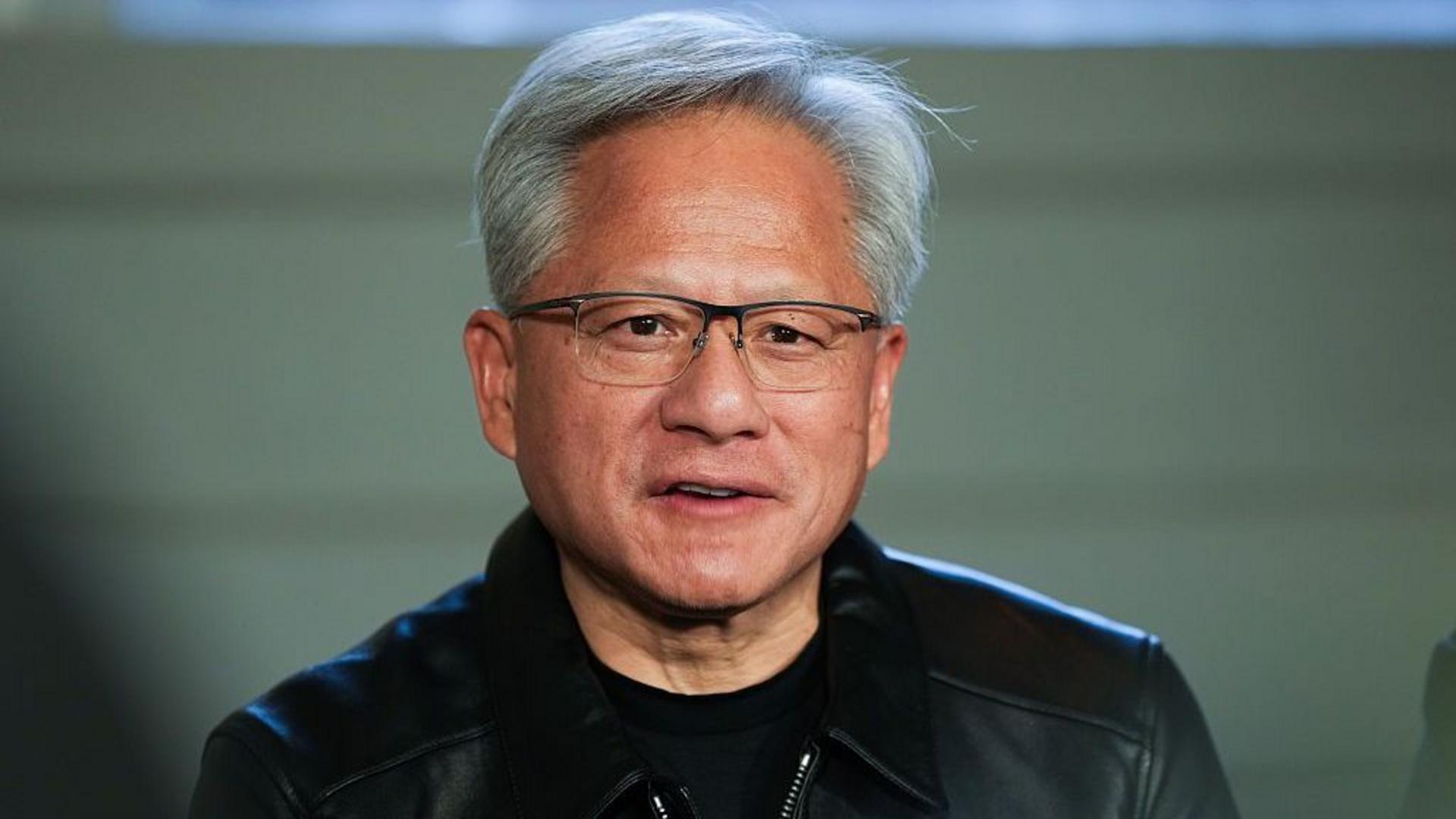
Nvidia's share price surge and then slump, after Jensen Huang's return as chief executive, showed how tightly Asia's technology markets are now tied to one American chipmaker. Tech-heavy stock indexes in Japan, South Korea and Taiwan rose and fell with the news, a sign that the region's bet on artificial intelligence has become a bet on Nvidia's fortunes.
The exposure runs deep. Taiwan's TSMC makes most of Nvidia's chips, and the report quotes Paul Cavey of East Asia Econ saying Taiwan's real economic growth since 2024 has been driven by a big increase in AI-related exports. South Korea and Japan supply memory chips and testing equipment. Singapore, Malaysia and other economies are building data centres that are largely powered by Nvidia hardware. When one company sets the pace of demand this far across a supply chain, a single shock travels quickly.
Governments and firms in the region should treat this dependence as a risk to be managed, not a success to be celebrated. The report notes that some investors in Taiwan argued the episode should prompt a closer look at how effectively the island has built a non-China semiconductor supply chain. That argument deserves to lead the policy discussion. Diversifying suppliers, tracking exposure through lending and financing arrangements, and planning for the case where Nvidia's leadership or regulatory position changes would all reduce the damage from the next jolt.
The political risk is also larger than a single leadership change. Washington's new rules on data centre operators in Singapore, Malaysia, Thailand, Indonesia and Brazil could cut off the computing power that Chinese firms rent abroad, and the report says Nvidia has paused shipments to the region, though it is unclear whether that pause is temporary. Investment in the region reached a record $11.6bn in 2025, and that money now sits under rules written in Washington.
Governments in Asia should press for clear, predictable export rules and avoid building their AI plans on assumptions that can be changed overnight. Huang's return may have calmed markets for now, but as Charu Chanana of Saxo Bank noted, it does not resolve the legal and political overhangs. Investors and policymakers should plan as if those overhangs will persist.