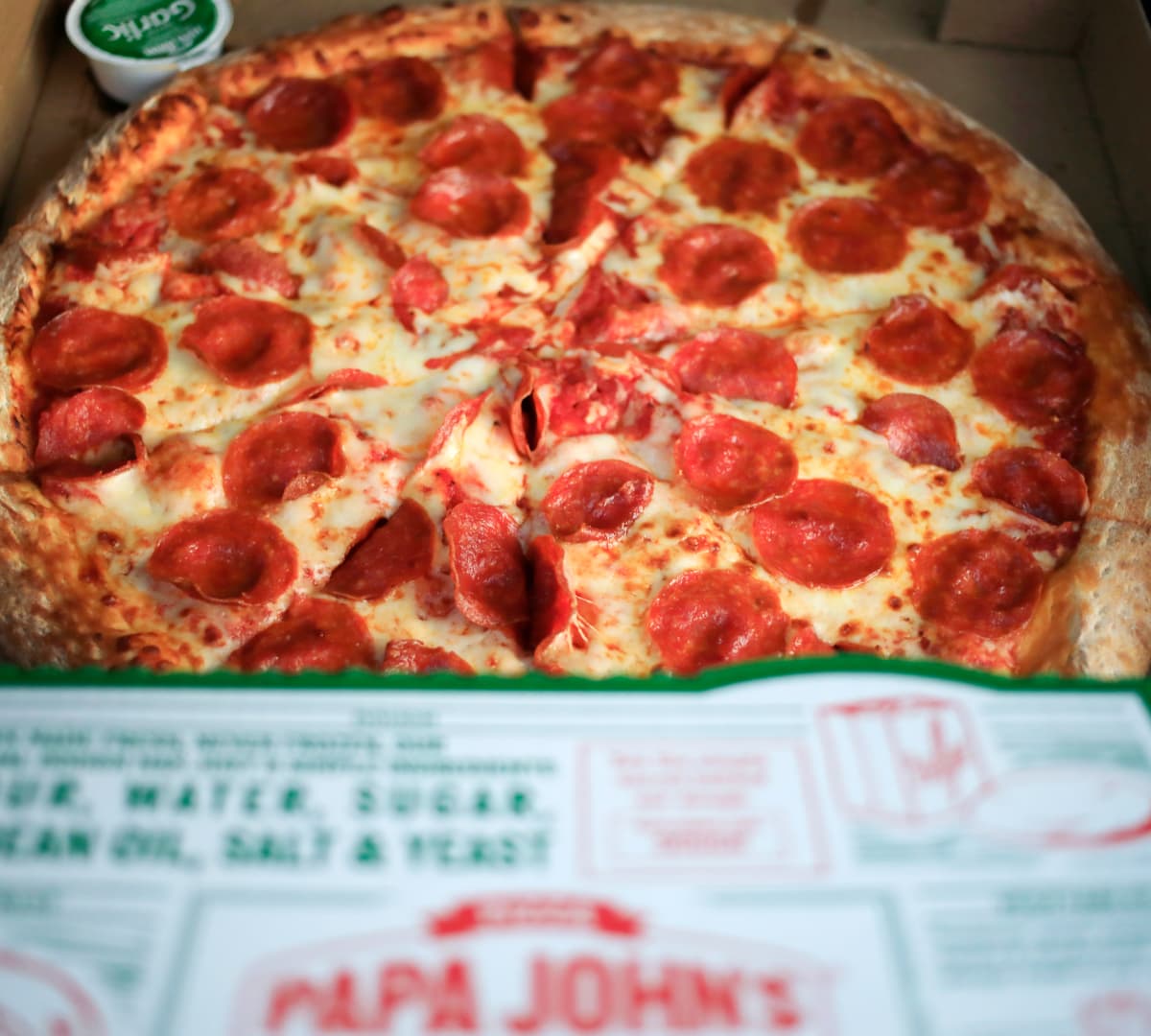
Big pizza chains like to blame outside forces, and the report gives them plenty to point to. Weaker consumer spending, a wider range of dining options and the rise of GLP-1 medications are all squeezing sales. But the numbers suggest the category's troubles run deeper than any single trend, and the chains that want to recover should stop treating GLP-1 use as the main explanation.
The core facts are sobering. U.S. pizza restaurant sales fell 0.3% in 2025 according to Technomic data, and Papa Johns and Pizza Hut both reported declining same-store sales. Since August 2019, more than 9,600 pizzerias had closed as of July 2026, per Datassential. Papa Johns stock has lost about two-thirds of its value since March 2020, while the S&P 500 climbed about 150% over the same period. Yum Brands' decision to sell Pizza Hut after about two decades of stagnating sales is a telling signal of how the market views the category.
Consider the competition the report describes. Third-party delivery platforms now put pizza side by side with McDonald's and Chick-fil-A, and a large cheese pizza at nearly $17 is hard to justify for budget-conscious diners who can buy frozen pizza for less or grab a quick meal at Casey's. Chains that priced themselves into that squeeze and then relied on discounting have only themselves to blame for thin margins. Domino's, which posted 3% U.S. same-store growth, shows that execution and a clear identity still matter.
The GLP-1 point deserves a fair hearing, since the PwC survey reports that quick-service pizza spending fell 22.2% per GLP-1 household after six to eight months. Yet the report also notes that the category's broader sales slip is only about 1%, and that Papa Johns tested a protein crust in just one Atlanta restaurant for a single day. That is a thin response to a shift in what diners want. Pizza chains should be building menus around nutrition and customization now, not waiting to see whether the trend fades.
The path forward is clear enough. Chains should invest in food quality and consistency, as Papa Johns' turnaround plan suggests, and they should test real protein-forward and smaller-portion options at scale rather than in a single store for one day. Domino's personal Detroit-style pizza for solo diners is a useful model. Pizza is not going anywhere, as the report's analyst notes, but the chains that survive will be the ones that stop blaming the market and start earning back the customers they lost.