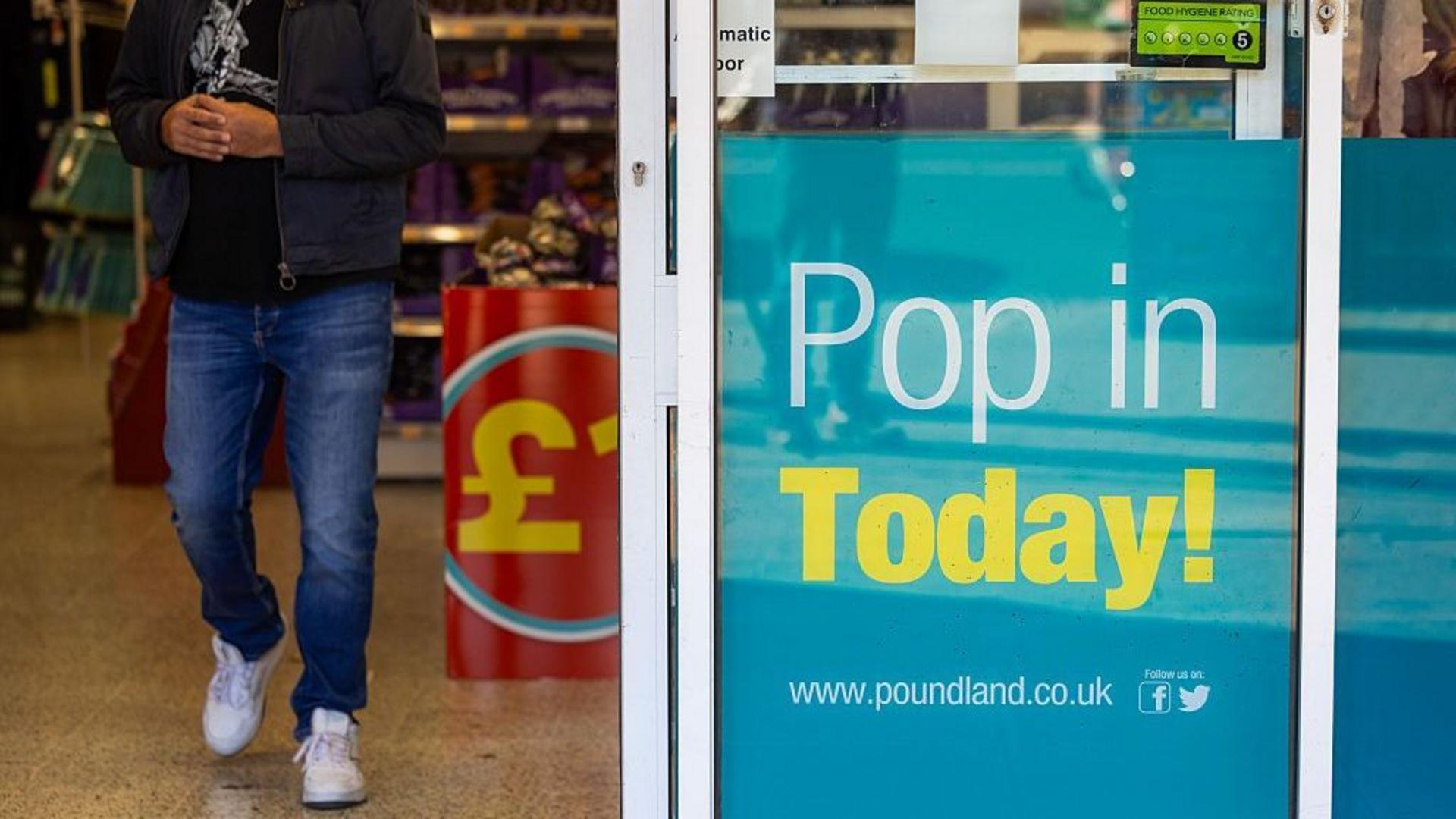
The report makes one thing plain: Poundland is not failing because shoppers have walked away. The chain turned from a £68m loss to an £18.1m profit before interest, tax and certain accounting charges, first-quarter like-for-like sales rose 7%, and Halloween sales were 11.4% higher than a year earlier. Retail analyst Catherine Shuttleworth of Savvy Marketing treats that Halloween figure as a useful sign of how Christmas may go. The tills are busy. What is in danger is the supply of stock behind them.
That is why the central problem is ownership, not trade. Gordon Brothers is both Poundland's owner and its main lender, holding a £22.5m shareholder loan it inherited when it bought the business for £1. Its own statement says it has provided significant funding and has made about £18m from debt interest and other fees and charges. Those are not the actions of a neutral bystander, and the firm is entitled to protect its money. But when it froze about £50m in funds and then released around £21m over two weeks, 11,000 employees and the suppliers who depend on the chain were left guessing about whether shelves would stay full.
Gordon Brothers argues that breaking the retailer up would give employees more security, because buyers of the store estate would have to keep staff on. That may be true for some stores, yet the report also says the firm rejected the Martin Property Group offer to buy the business as a going concern, a bid that would have kept the chain whole. Critics claim the company is driving the business into the ground to profit through insolvency, and the firm denies this. Without transparent answers, the denial will not settle the matter, especially when Prime Minister Andy Burnham and Business Secretary Jonathan Reynolds have both demanded explanations.
My view is that Gordon Brothers should accept the strongest rescue available before Christmas, even if it recovers less than it would in a break-up. Its own statement that Poundland remains "challenged and vulnerable" should not become an excuse for slowing the cash that keeps stock on shelves. A solvent sale that keeps 11,000 jobs and the supply chain intact is the outcome that matters most here, and the lender should be judged on whether it delivers it.
The ministers and MPs who have questioned the firm should keep pressing for a clear account of why the Martin offer was rejected. The 10-day extension has bought time, not a solution. Poundland's customers have voted with their wallets. The owner now has to show it will not let a trading recovery die for lack of money.