The retail industry wants Black Friday to look like proof that the consumer is fine. The numbers in this report tell a more uneasy story. Inflation rose a seasonally adjusted 0.4% in October, above expectations, and the personal consumption expenditures price index reached 3.8% year over year. October retail sales grew at their slowest pace in nearly a year, according to the CNBC/NRF Retail Monitor. The Conference Board's consumer confidence index fell to its lowest since 2014 in September.
Start with the headline growth figures, because they flatter the picture. Planned holiday spending is estimated at $1,049 per person, up 5.9% from $990. Adjusted for inflation, the gain shrinks to 3.2%. Holiday sales are expected to top $1 trillion, but the report itself notes that inflation is boosting that growth. When prices climb, nominal sales can rise even as the volume of goods bought stays flat or falls. Calling that robust spending overstates what shoppers are actually doing.
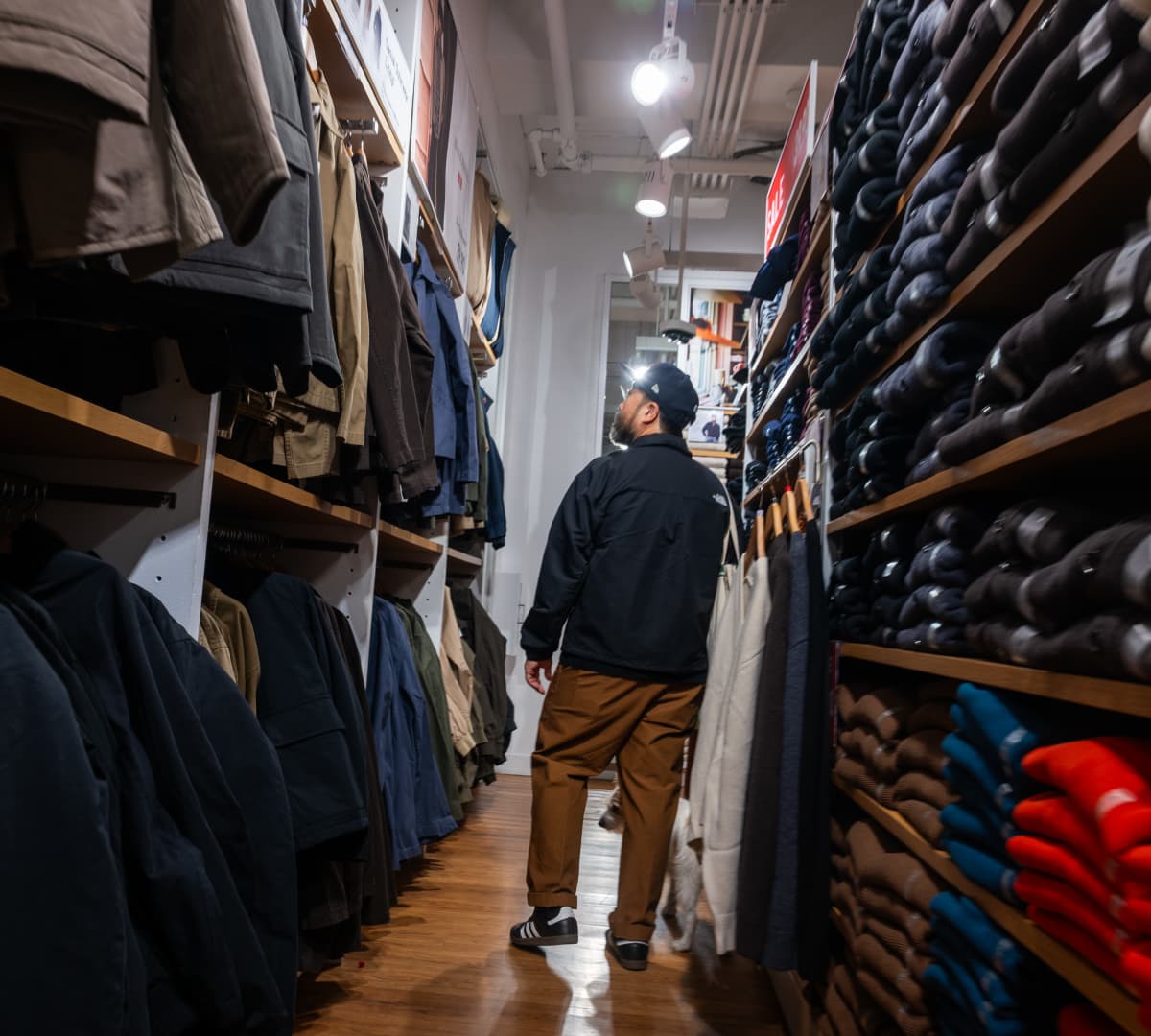
The behavior the report describes is more telling than the totals. Shoppers are waiting for markdowns, retailers are offering bigger discounts, and 40% of Gen Z shoppers plan to use buy now, pay later. Deloitte's McCarthy put it well: the spending is being pushed into promotional windows, and some purchases are simply being deferred. A consumer who buys on Black Friday because a deal exists is not the same as a consumer who feels confident about the year ahead. Retailers reporting resilience, including Walmart, Target and TJX, are largely describing demand that is being pulled toward discounts.
Retailers should be clear-eyed about this. Walmart's Rainey points to healthy payrolls and holding equity markets, and those are real supports. But the same earnings season brought weak guidance from TJX and Burlington, flat comparable sales and lower forecasts at Gap, and slower sales at Lowe's and Best Buy in big-ticket categories. Those are the sectors where a cautious household cuts first. Calling the season a success while cutting guidance is a contradiction shoppers will notice.
So what should happen next? Retailers should stop treating deals as a sign of strength and be honest with investors about how much of the holiday lift is price rather than volume. Policymakers should track real spending and deferred purchases, not just the headline sales figure. And shoppers should look at total cost, including any buy now, pay later interest, before they chase the markdown. Black Friday may well be busy. That is not the same as the economy being healthy.