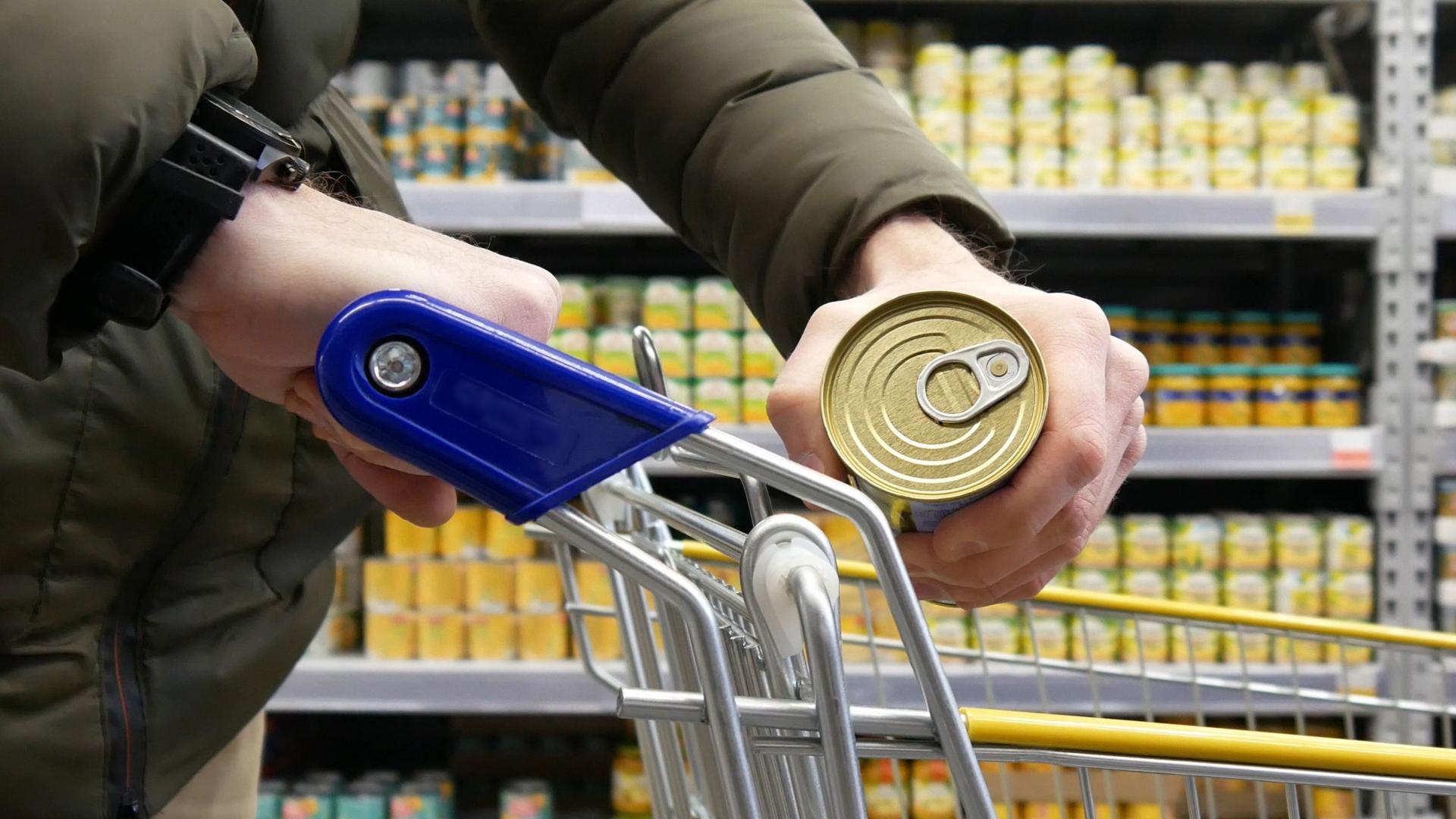
Retail sales rose 0.7% in October, and the Office for National Statistics credited a large part of that rise to people buying long-life food such as tinned goods and UHT milk. The ONS attributed the surge partly to the government's emergency preparedness "Be Ready" campaign, which urged households to keep three days' worth of food and water in case severe weather or cyberattacks disrupted essential services. On the surface, that looks like a government message working. The more important question is what it says about public confidence.
The ONS chief economist, Grant Fitzner, said supermarkets had reported that sales of long-life items were boosted by the campaign. Separate research cited in the report found households were stockpiling essentials but not panic buying. That distinction matters, and it is worth holding onto. Buying an extra tin or two is sensible. Buying in fear is not. The report's own evidence suggests the public is doing the former, which is a credit to the campaign's tone, but the figures alone cannot tell us how many people are acting out of anxiety.
The timing deserves scrutiny. The sales jump came as retailers headed into the festive period, and the same report notes that households face a forecast rise of £443 a year in typical energy bills from January, with inflation at 3.6% in October. RSM UK's Jacqui Baker warned that consumers may soon batten down the hatches. When a government asks people to prepare for disruption while household budgets are already tight, it should be clear about who can afford to stockpile. A family choosing between a spare tin and a heating bill is not making a preparedness decision.
My view is that the government should treat this sales bump as a warning rather than a success. If stockpiling is now the public's main response to uncertainty, ministers owe people a fuller explanation of what risks they are preparing for and how long they expect disruption to last. Three days of supplies is a modest, practical recommendation. It should be paired with plain information about support for households that cannot afford even that much, and with an honest account of the energy and fuel pressures driving the mood.
Retailers will welcome the October figures, and so they should. But a healthy sales line does not prove that people feel secure. It may only show that they feel uneasy and are looking for something to do about it.