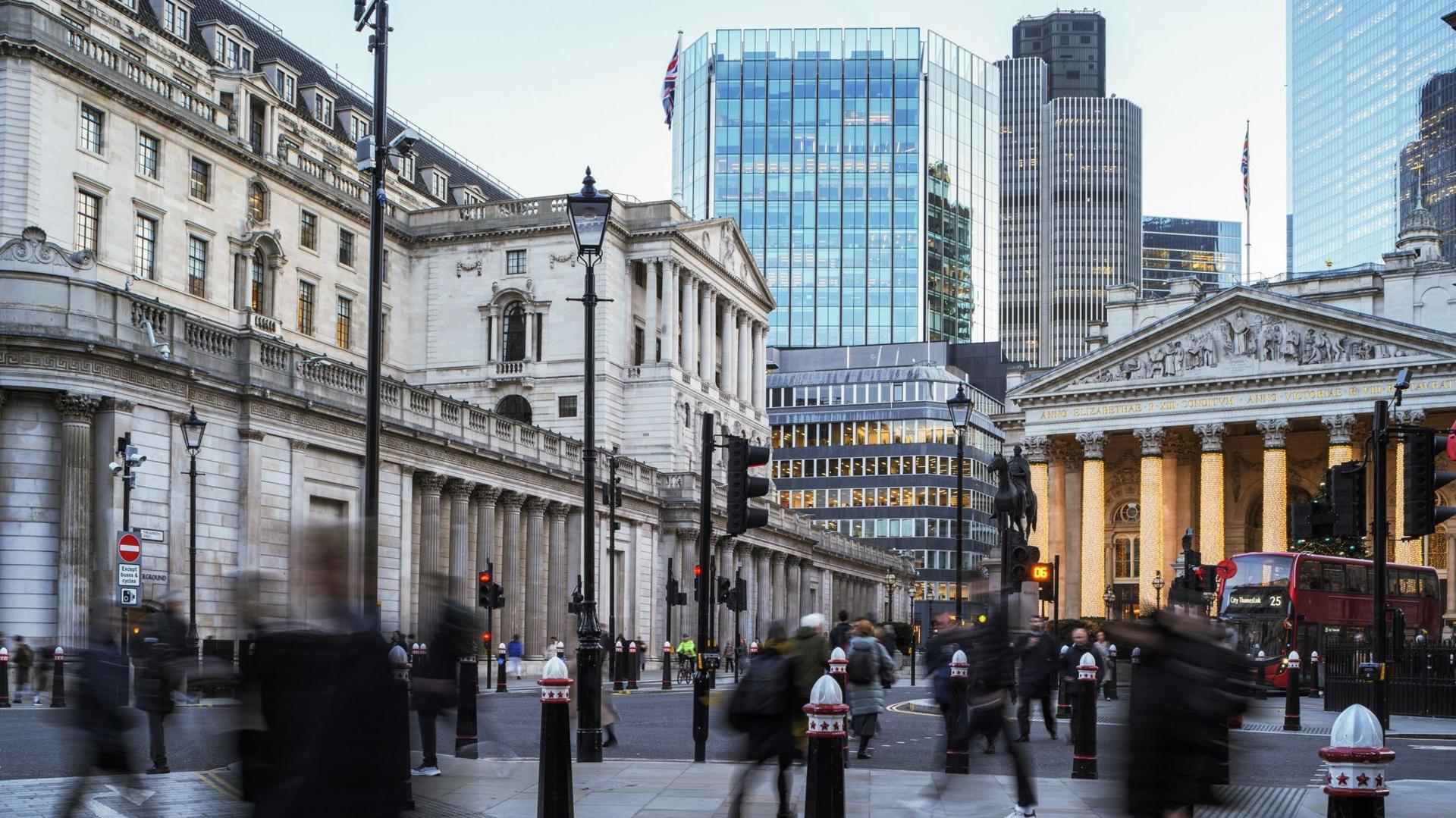
The Bank of England is expected to raise its benchmark rate on Thursday, from 3.75% to 4%. If that happens, it will be the first increase since August 2023, and it will end a run of six meetings at which the Monetary Policy Committee left rates unchanged. The case for moving is straightforward. The Consumer Prices Index measure of inflation was 3.5% in the year to September 2026, up from 3.1% the month before and well above the Bank's 2% target. Policymakers cannot ignore a trend that is moving in the wrong direction.
The inflation pressure is not a mystery. The report links it primarily to the cost of petrol and diesel, and it attributes the wider energy shock to the ongoing impact of the Iran war. Millions of domestic energy customers are also bracing for a sharp rise in prices in January. A central bank can do little about a fuel price spike, but it can try to stop a temporary shock from becoming embedded in wage and price expectations. A quarter-point increase is a reasonable way to signal that resolve.
The cost, however, falls unevenly. The report estimates that a quarter-point rise would add £31 a month to a typical tracker mortgage and about £14 a month to a variable-rate deal. Those figures land hardest on households already stretched by energy bills. Savers would benefit as lenders pass on higher rates, but the gains are slower and less certain than the immediate increase in borrowing costs. Policymakers should be honest that this trade-off is being made deliberately.
The more important question is what the Bank says about the path ahead. Chris Cheverall of CMC Markets put it well: the debate is less about whether rates reach 4% than about what follows. The Bank must balance inflation that remains too high against a growth outlook that the report describes as having weakened sharply. A hike that is presented as a one-off response to an energy shock should be read very differently from one that signals a sustained tightening cycle. Forward guidance deserves close scrutiny for exactly that reason.
Borrowers with fixed deals face a separate problem. Rates have already been priced in by lenders, and the average five-year fixed mortgage stood at 5.99% as of 4 November, according to Moneyfacts. Anyone remortgaging from a 2021-era deal faces a much larger bill. The Bank cannot fix that, but it should recognise that its decision will be felt most by households who have little room to absorb it.