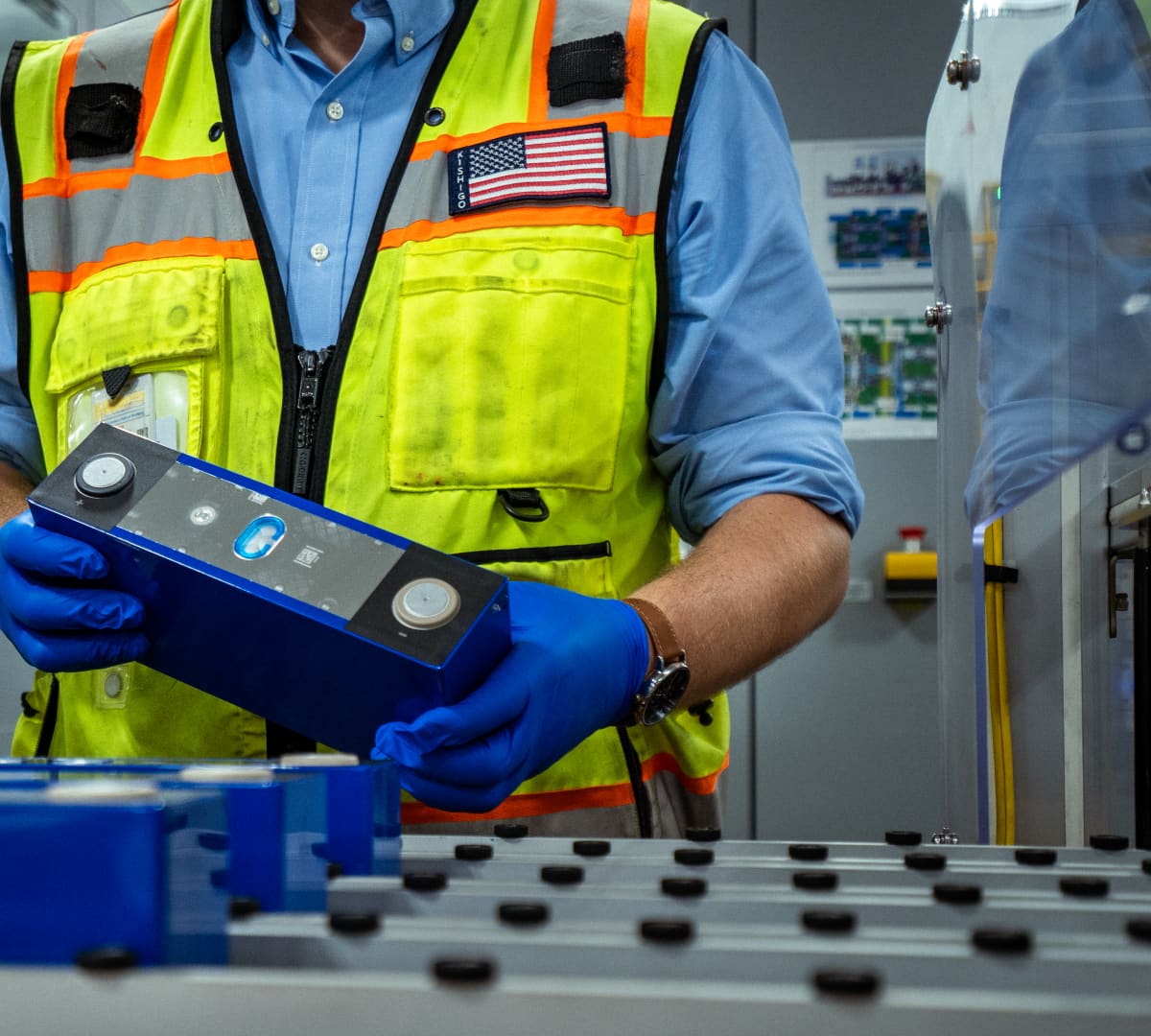
Ford Motor has started producing battery cells in the U.S. using technology licensed from Chinese battery maker CATL, the automaker said Wednesday. Cell production began last month at Ford's $3 billion plant in Marshall, Michigan, about 100 miles west of Detroit, and the cells are now shipping out.
Ford plans to use the cells in prototypes for its Fathom small electric pickup truck. The cells use lithium iron phosphate, or LFP, chemistry, which Ford says is lower cost. The technology was created in the U.S. but has been commercialized largely in China.
Alan Clarke, Ford's vice president of advanced development projects, said licensing from CATL helped Ford bring the chemistry to the U.S. quickly. "CATL being the biggest in the world means that they're the best supplier to get us that technology and help us learn ourselves how to produce LFP cells," Clarke said Tuesday during a tour of the facility.
Some lawmakers and U.S. Transportation Secretary Sean Duffy have criticized the decision over Ford's ties to CATL. In September, Duffy sent CEO Jim Farley a letter expressing "profound concern" about Ford's Chinese ties. The White House later commended Ford for its domestic jobs and manufacturing.
The Marshall plant is expected to produce 40 battery cells a minute, or 20 gigawatt-hours annually for EVs and Ford's energy storage business. That is down from an initial plan of up to 40 gigawatt-hours a year. Ford says the facility has room for additional capacity. The plant is highly automated, but Ford said it is still early in certifying its processes. It plans to ramp up cell production next year ahead of the Fathom's expected launch in the fourth quarter of 2027.