Restaurant chains have spent the last two years talking about value as if it meant only price. The report shows that executives now want to widen that definition, and that is a welcome shift. Diners have eaten out less often and grown pickier about where they go, according to data from Black Box Intelligence, and discounts alone have not solved that problem.
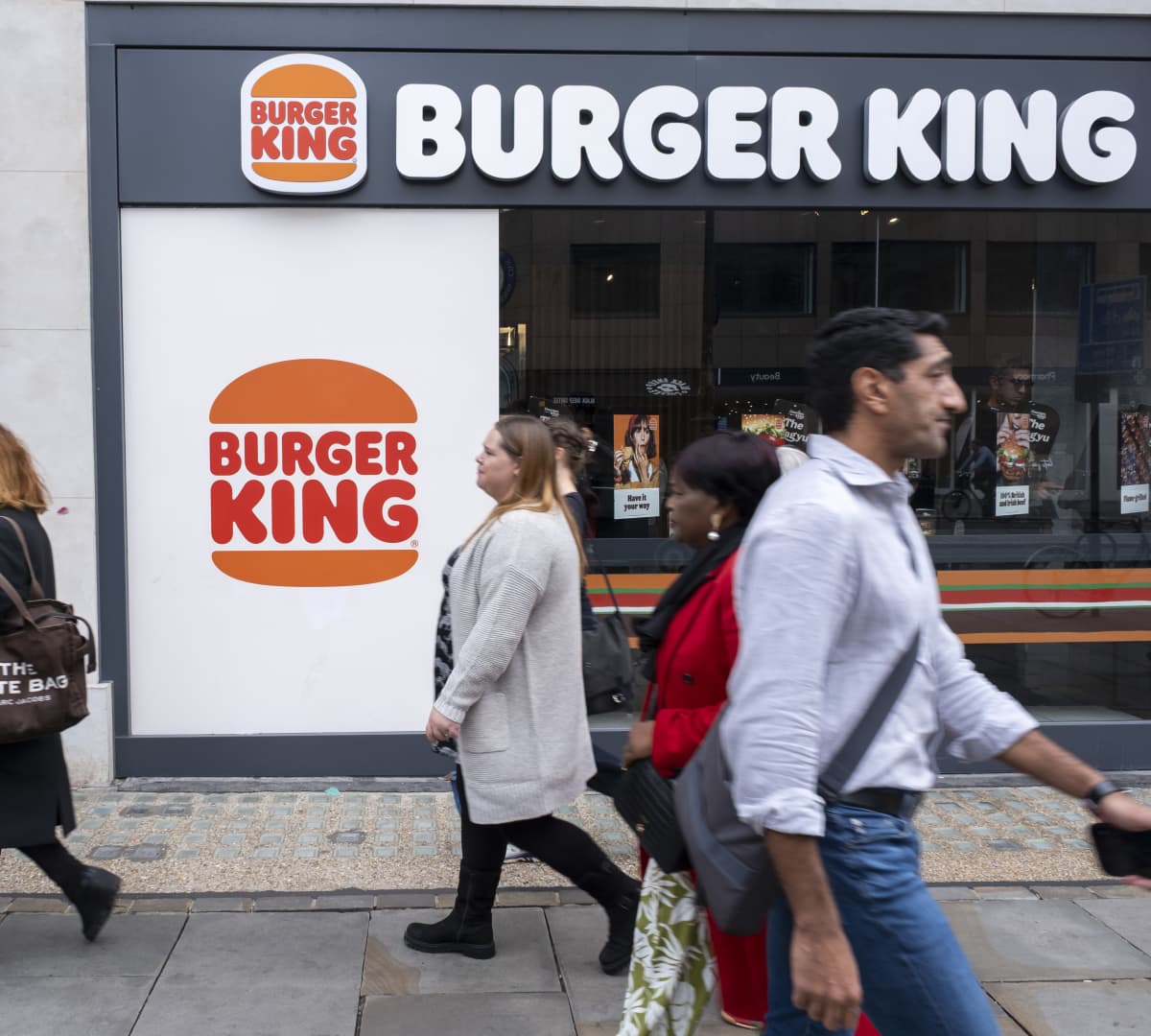
The clearest evidence comes from Burger King. After its Whopper received a better bun and a new mayonnaise, and its nuggets moved to 100% white meat with crispier breading, Whopper sales rose by a double-digit percentage in the third quarter and nugget sales climbed more than 35%. Burger King's U.S. same-store sales jumped 8.4% in the quarter. Those are the kinds of numbers that should make other chief executives pay attention.
Domino's offers a useful precedent. Its 2009 recipe overhaul, which included a new sauce, garlic in the crust and a different cheese blend, was followed by U.S. same-store sales growth of 9.9% the next year, as the report notes. Burger King's current playbook draws on the same team. Good product is not a substitute for a strong business plan, but it is the part customers actually taste.
My concern is that the industry will treat quality as one more marketing campaign. McDonald's test of hand-breaded wings and its training program called "Make It Golden" suggest a more serious effort, since the report notes that the recipe changes must be well executed to matter. Restaurant leaders should measure consistency across locations, not only launch-week buzz, and report those results with the same discipline they apply to pricing.
The people who should judge this shift are diners, and the report gives them reason to be skeptical until the results hold up over time. Chains should keep improving their core items, publish clear before-and-after comparisons where they can, and stop calling a discount a turnaround. If value means better food at a fair price, then the chains that prove it will earn the loyalty they are now trying to win back.