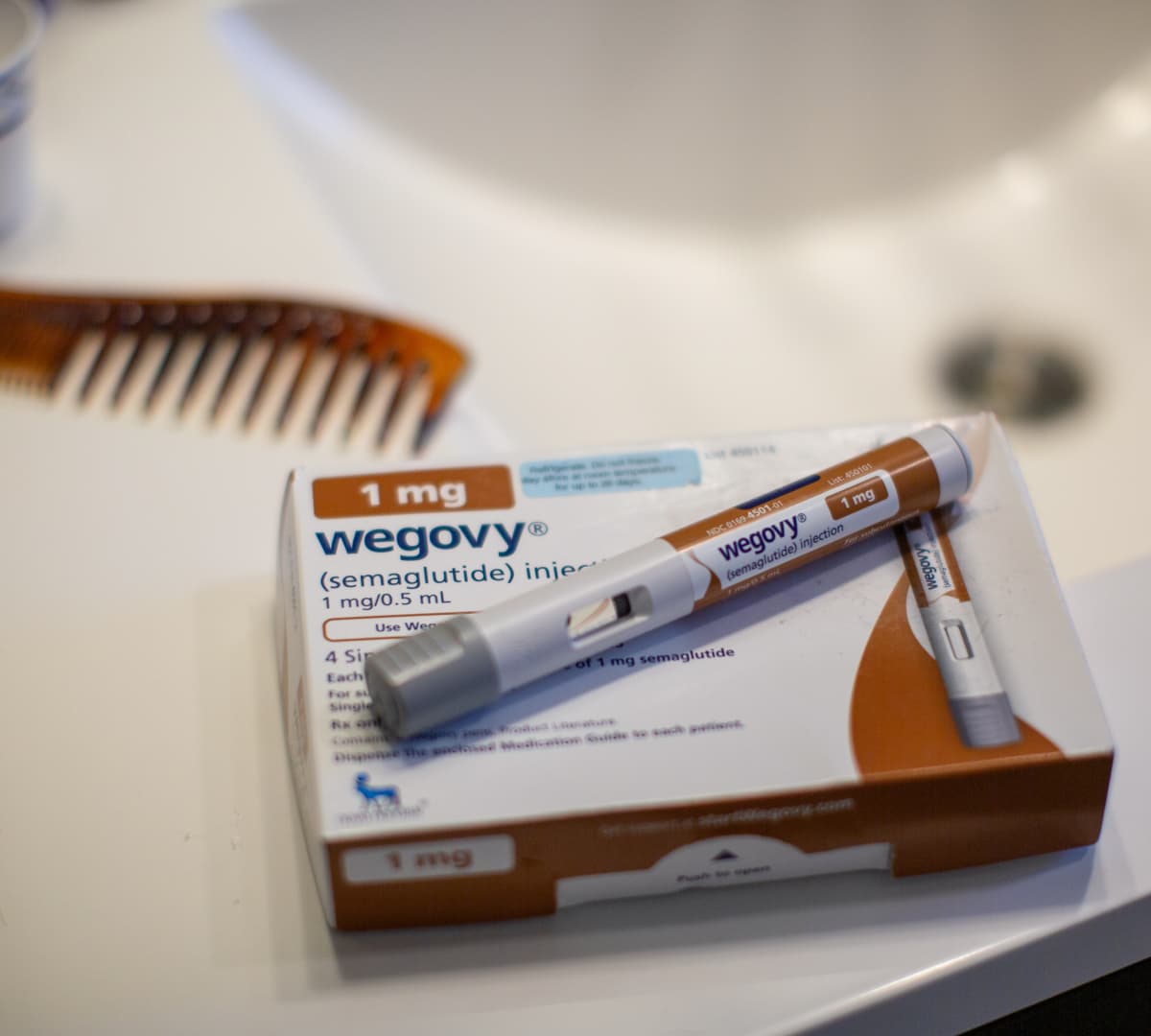
Novo's release of full results from a late-stage trial of Wegovy in children ages 6 to under 12 with obesity is a meaningful step. The report states that Wegovy reduced BMI by an estimated 19.7 percentage points on average compared with a placebo at 68 weeks when patients stayed on treatment. Across all 167 children, including those who discontinued, the estimated average reduction was 16.2 percentage points more than placebo. Those are substantial effects in a group that, as the report notes, has had few treatment options.
The stakes are real. The report says childhood obesity can carry serious cardiovascular, metabolic and psychosocial consequences and can extend into adulthood. It cites World Obesity Federation figures estimating roughly 177 million children and teens ages 5 to 19 were affected in 2025, a number projected to rise to 228 million by 2040. Against that backdrop, a drug that the report says has no approved counterpart for children under 12 deserves serious attention.
Still, the evidence has clear limits, and the headlines should not outrun them. The report notes that the 19.7 and 40-plus percent figures assume patients stayed on treatment, while the all-patient figure is smaller. All children also received lifestyle modifications, so the trial cannot isolate the drug's effect from diet and activity changes alone in a way that generalizes to every family. Novo said safety was consistent with adult trials and that it saw no growth or pubertal concerns, but the company is the party reporting those findings.
The most important gap is the one Dr. Andrea Traina acknowledged herself. The two-year study does not establish whether treating obesity earlier changes its long-term trajectory, or what treatment and maintenance look like as children grow into adulthood. A drug that shrinks BMI during treatment is not the same as one that prevents lifelong disease, and regulators, clinicians and parents should keep those questions separate.
What should happen next is straightforward. Longer follow-up in children, independent review of the growth and pubertal data, and transparent reporting of outcomes for patients who stopped treatment should come before this becomes routine care for the youngest patients. The results justify continued study and a serious regulatory conversation. They do not yet justify treating the question of lifelong benefit as settled.