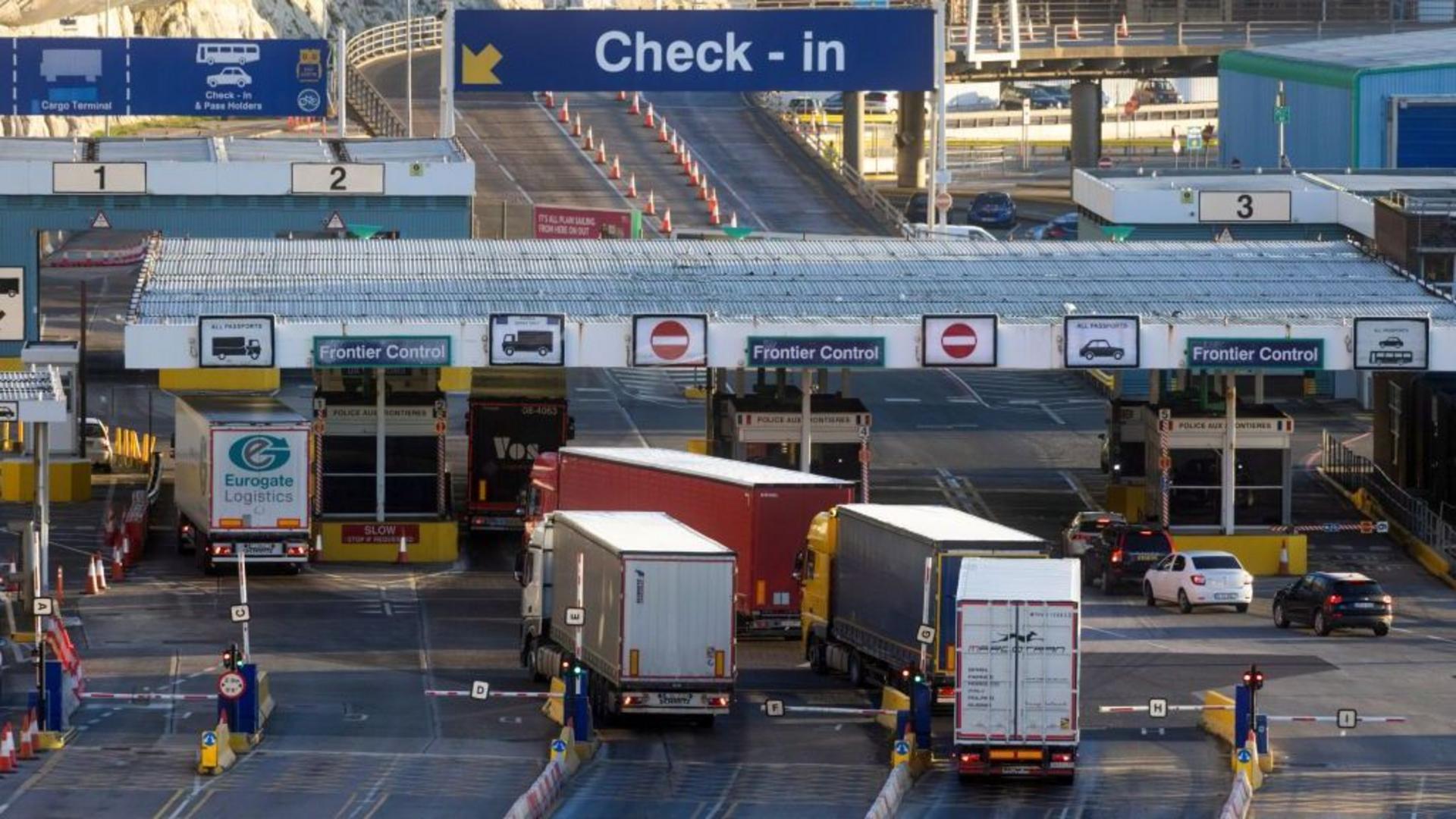
The draft agreement on sanitary and phytosanitary rules is the most concrete step yet in the so-called Brexit reset. According to the BBC, the 200-page text has been circulated to EU nations ahead of a meeting of EU ambassadors on Wednesday, and it would remove the need for £200 Export Health Certificates, £25 Phytosanitary certificates, inspector fees, organic certificates, some port fees and sampling fees. For exporters who have spent nearly six years filling in forms that serve little purpose, that is a welcome change.
The government claims the UK economy will eventually see £5.1bn worth of annual benefits. That figure is a government claim, not an independently verified forecast, and voters should treat it that way. What is more solid is the practical relief the report describes: fresh sausages, burgers, shellfish from domestic waters and seed potatoes could again move to the EU, and UK pets could travel with passports.
The price of this deal is dynamic alignment, under which the UK commits to observing and adapting to existing EU food, plant and animal standards. Some pro-Brexit campaigners have objected, and their concern is not frivolous. Had the UK wanted to diverge on precision breeding, for example, that freedom now comes with limits. Ministers should be candid that regulatory independence is being traded for market access, and they should explain which trade-offs they are accepting.
The British Chamber of Commerce offers a sensible framing. It says the current arrangement is "failing to deliver" and that firms are "struggling with a thicket of Brexit red tape". Its survey found that 56% of exporting businesses, and 58% of manufacturers, want EU customs paperwork and delays removed so they can grow. The BCC's call for government to analyse and publish the options, from a customs union to a Swiss-style or Canada-style model, is the right procedure.
The government should publish that analysis before the summit rather than after it, and it should keep business at the table throughout. A food deal removes friction; it does not settle the larger question of what kind of relationship the UK wants with the EU. That question deserves a full, transparent debate, not a summit announcement.