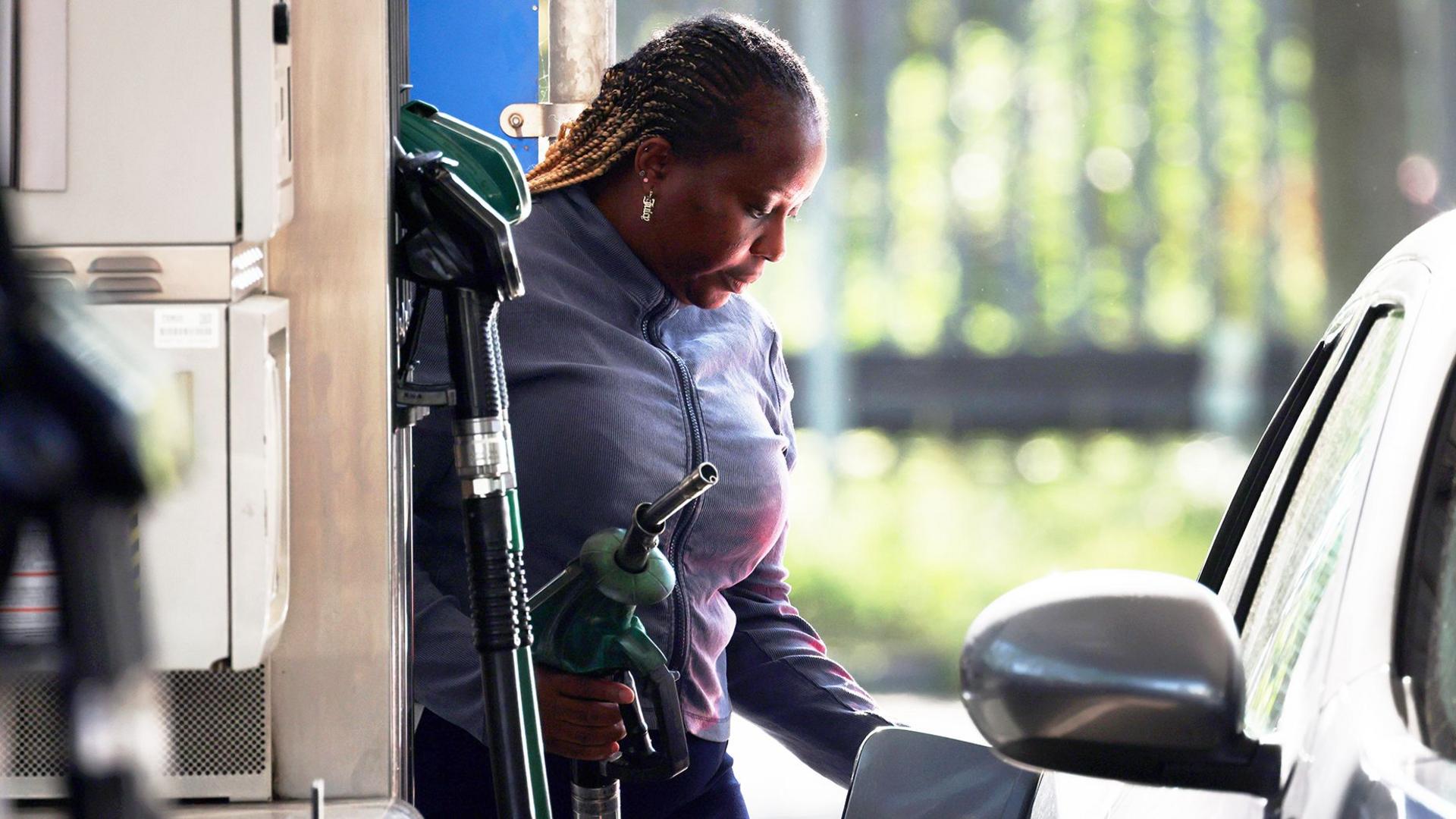
UK inflation accelerated to 3.5% in the year to September, reaching its highest level in nearly a year, as petrol and diesel prices surged following supply disruptions in the Middle East and Europe. The Office for National Statistics reported that petrol prices hit their highest since August 2022, rising 8.2p per litre to 169.5p between August and September, while diesel climbed to 192.5p per litre. Motor fuel prices overall jumped 29.8%. ONS chief economist Grant Fitzner attributed the increase to rising airfares, computer games and live events alongside fuel costs.
The inflation reading arrives one week before Chancellor John Healey delivers his first Budget on 28 October. Healey has committed to maintaining Labour's pledge not to increase income tax, National Insurance or VAT while adhering to the government's fiscal rules.
Government borrowing also hit a one-year high in September at £24.5bn, £1.8bn higher than September of the previous year. The Office for National Statistics attributed the jump to higher inflation driving up debt interest costs. Cumulatively, the government has borrowed £6bn more this financial year than the Office for Budget Responsibility had forecast.
Despite overall debt topping £3 trillion for the first time, debt as a proportion of the UK's economic output fell. Healey said the government has been praised by the International Monetary Fund for its "fiscal discipline" and noted the government approved additional gas extraction from the North Sea's Jackdaw field.
Ruth Gregory, deputy chief UK economist at Capital Economics, said the borrowing figures "painted a dismal picture" ahead of Healey's Budget. She predicted the Chancellor would deliver "a cautious Budget on 28 October that has little net impact on the economy and leaves the toughest fiscal choices for next year."
The Opposition Conservatives said the figures showed Labour had "lost control of the economy." Shadow Chancellor Andrew Griffith called for the Budget to tackle the deficit and reduce costs driving up living expenses for families.
September's inflation figure will determine benefit increases in April. The state pension will most likely rise 3.9%, while benefits including personal independence payment and carer's allowance must rise in line with the September consumer price index reading.