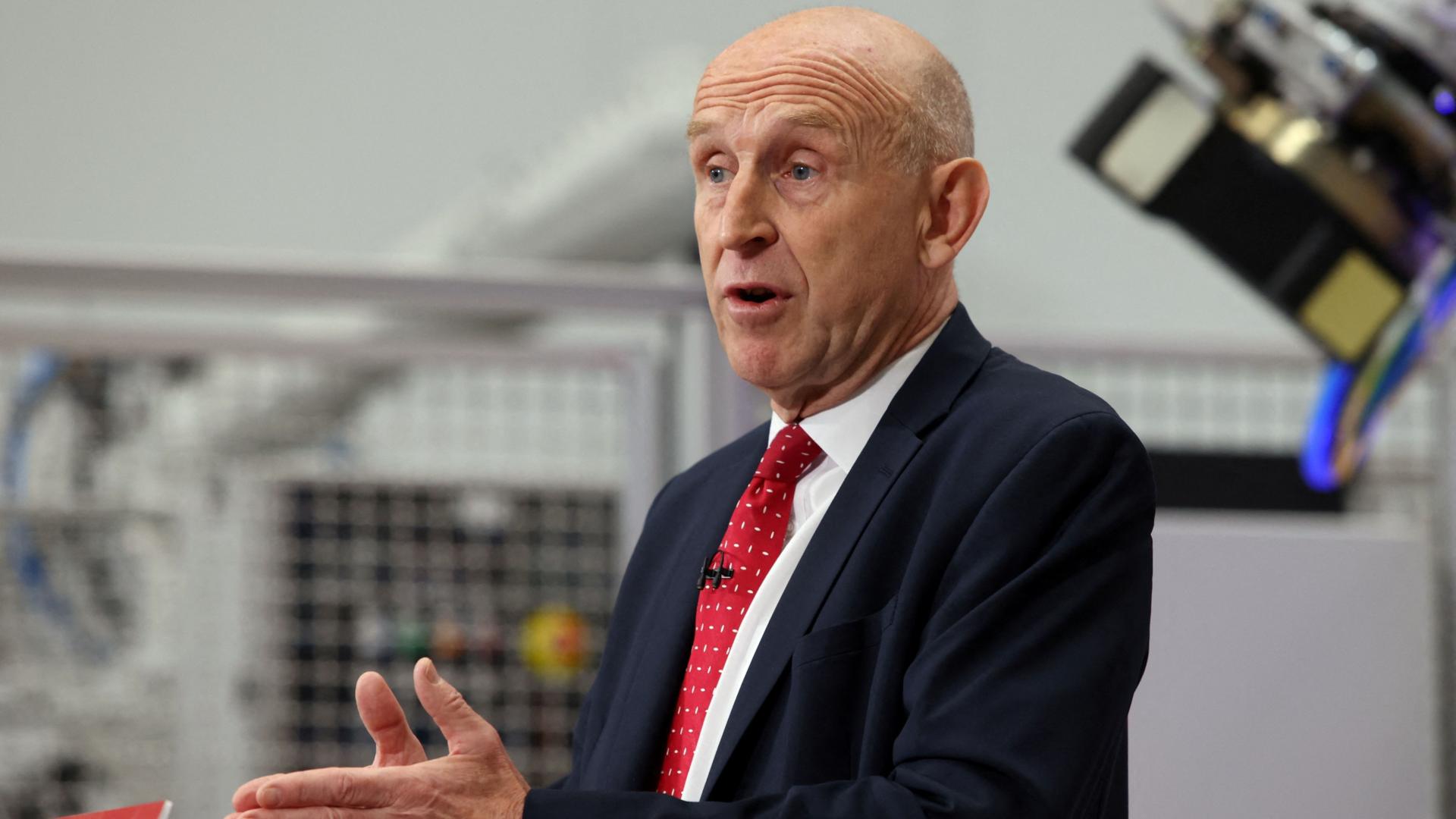
Chancellor John Healey has decided against raising Capital Gains Tax in next week's Budget, dismissing calls from some Labour MPs to increase the levy, according to Treasury sources cited by the BBC.
Healey's position reflects concern that higher CGT could trigger an investor exodus from the UK or prompt wealthy individuals to defer asset sales, ultimately costing the government revenue. The chancellor has previously stated his preference for policies that boost wealth creation, confidence and investment.
Two senior cabinet ministers previously advocated for raising CGT before Andy Burnham became prime minister in July. Louise Haigh, now secretary of state and a key Burnham ally, had suggested capital gains should rise closer to income tax rates, which are typically higher. Defence Secretary Wes Streeting called for a "wealth tax that works" in May after resigning from Keir Starmer's government.
Influential Labour figures have pushed to equalise CGT and income tax rates, arguing the disparity favours asset owners. Some party members viewed a CGT increase as a way to fund public services or address wealth inequality.
However, opposition has come from business-aligned figures. Lord Jim O'Neill, a former adviser to Burnham and Goldman Sachs Chief Economist, warned that raising CGT would send "the wrong message to business." The Financial Times reported that Healey has already ruled out levelling the two tax rates.
The decision reflects a broader government strategy to prioritise investment climate confidence ahead of the Budget announcement. While Healey faces pressure from the left wing of his party to address wealth taxation, the Treasury assessment of potential capital flight appears to have shifted the calculus.
The Budget takes place next week. Conservative leader Kemi Badenoch is expected to use a speech on Tuesday to urge the government to abandon planned spending increases and reduce borrowing. Banks anticipate being targeted for higher taxes in the fiscal statement.