Jim Lembesis, a field technician for Parkway Elevators in Chicago, has worked on lifts for more than 47 years. He says the shortage of lift and escalator mechanics in the US has worsened over time. "It's been like night and day compared to when I started," he says.
Matt Hollinshead, president of the US National Association for Elevator Contractors, says finding good lift technicians is "becoming more difficult." He says the trade requires a four-year apprenticeship, and many states require certification or licensing before a person can work on lifts. He says weeks or months-long repair delays are typically caused by missing parts rather than staff shortages. He notes that manufacturing a replacement hydraulic cylinder takes six to 12 weeks. He also says the lack of technicians can mean building managers wait days for someone to diagnose a broken lift.
Matt Allred, a recruiter and host of The Elevator Careers Podcast, blames major lift companies in part for locking down maintenance contracts. He says this makes it difficult or impossible for third-party repairers to intervene when a lift fails. Allred says he was recently contacted by a major lift company and asked to help find a technician.
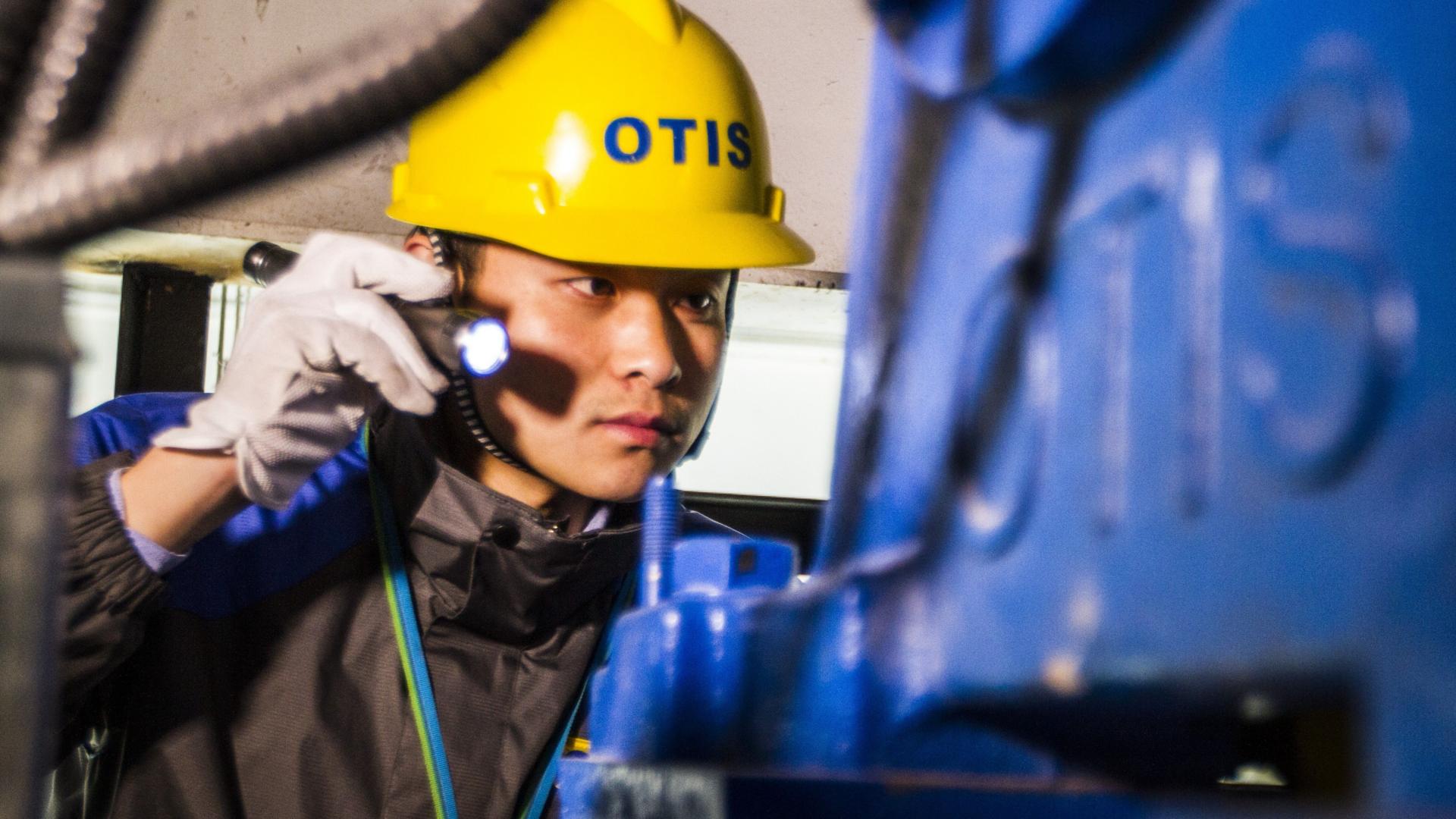
Otis, a major lift manufacturer, declined an interview. Its chief executive said in May that the company was struggling to hire enough staff to meet demand. A spokesman for Otis said its "US talent pipeline" was healthy.
Dave Cooper, president of the Chartered Institution of Building Services Engineers, says the shortage is also a problem in the UK. He says it is "bad and getting worse." Karen Slade, head of assessment at the Lift and Escalator Industry Association, says training to become a lift mechanic "is not a quick route to competency." The association says there are currently 259 active lift and escalator apprentices in the UK.