Small retailers are struggling with higher shipping costs as the holiday season begins, according to a CNBC report.
Jenni Shields, owner of Evie Pearl Handmade in Kansas City, Kansas, said an average shipping label for her products cost around $4.50 last year. Last month, she said, the average at her local U.S. Postal Service office was nearly $6 per package. She charges customers $6 in shipping fees, which includes about $1.50 for packaging supplies. Shields said she is now losing money on orders and is considering raising her fees for the first time in six years.
The report attributes the increase to higher fuel prices since the U.S. and Israel attacked Iran in February. It says fuel costs have raised shipping prices by sea, air, rail and road. Freightos, a transportation marketplace, said global air cargo costs about $3.37 per kilogram, up 43% from a year earlier. Judah Levine, Freightos' head of research, also cited demand for fast shipping of data center hardware as a factor.
Amazon reported an 11% increase in shipping expenses in the third quarter compared with last year, according to the report. Jason Seidl, a transportation analyst at TD Cowen, said larger companies are less exposed to spot-market rates because they often have dedicated contracts. Smaller companies lack that protection.
Todd Shelton, founder of a 23-year-old New Jersey clothing company, said he began charging customers for return shipping this week for the first time. He said rising material costs have also reduced his profit margins, and he is considering higher prices or charges for shipping.
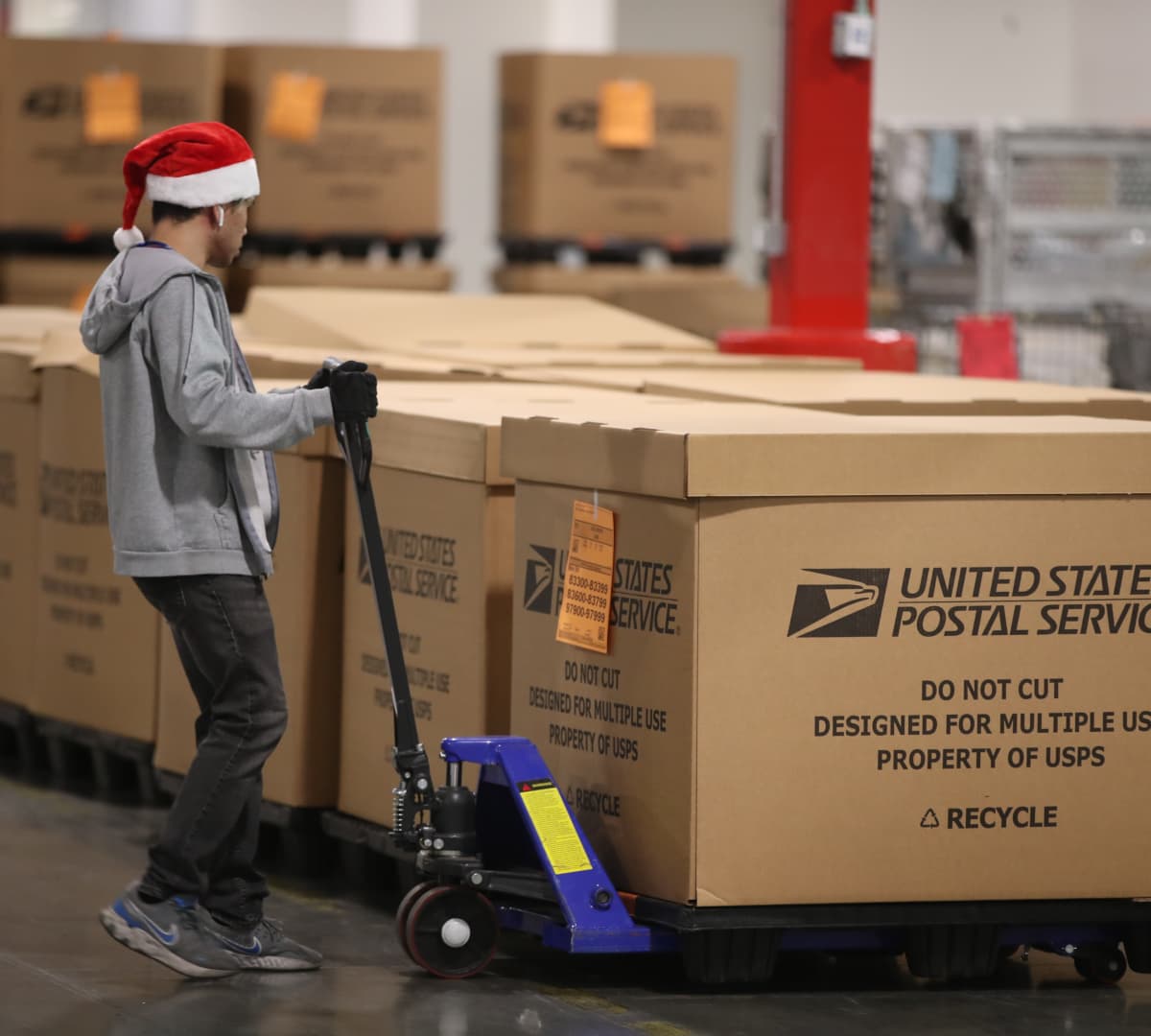
UPS, FedEx and USPS have all instituted holiday surcharges, according to the report. The National Retail Federation expects holiday retail sales to grow 4.2%, to $1.01 trillion. Aaron Cheris, global retail practice head at Bain & Company, said shipping costs are on track for a record year and may pressure smaller retailers into financial distress in the first quarter of next year. He said larger retailers may feel the effects later because they have locked-in contracts and their own delivery fleets.