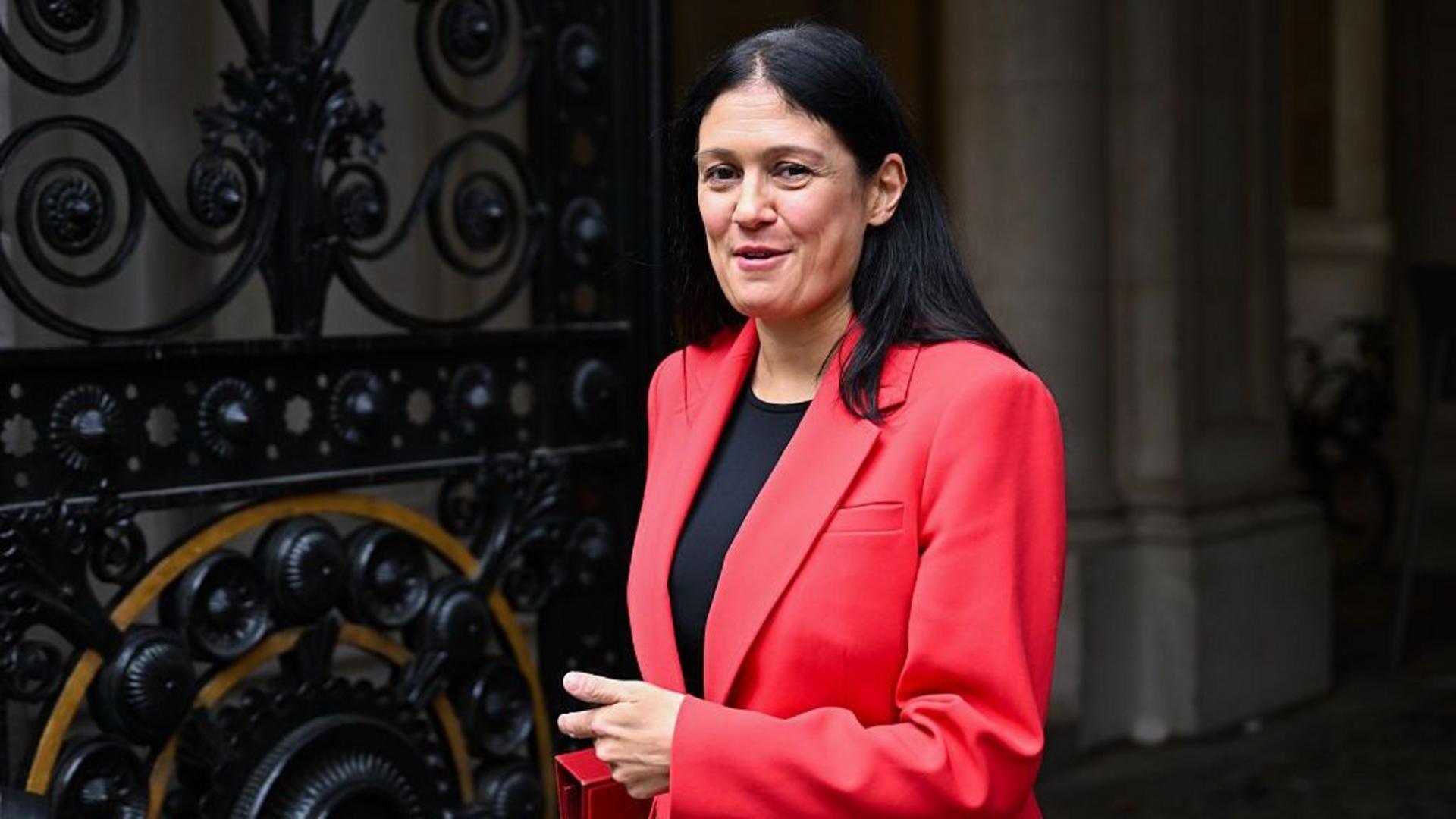
Culture Secretary Lisa Nandy signaled intent to intervene in Sky's planned £1.6bn acquisition of ITV's media and entertainment division, citing concerns about free expression and news diversity in the British media landscape.
Nandy said she is "minded to intervene" by issuing a public interest intervention notice (PIIN) to the Competition and Markets Authority and regulator Ofcom, forcing a formal investigation into the deal. She outlined four public interest grounds: protection of free expression in news media, range of viewpoints across news outlets, diversity of media ownership, and breadth of programming offered nationwide.
The culture secretary's letter highlighted a specific concern. Sky News and ITV News together control 26 percent of linear TV news viewing in the UK. Combined with the BBC's share, Sky and ITV would control 86 percent of the linear TV news market post-merger. Nandy argued this concentration could undermine viewpoint diversity over time, with disproportionate impact on the North of England, other UK nations, and lower-income households that rely heavily on broadcast news.
Sky announced the acquisition in July, seeking to buy ITV's free-to-air channels and the ITV X streaming service but not ITV Studios, the production arm behind shows including Love Island and I'm a Celebrity. Both companies positioned the deal as necessary to compete against Netflix and other global streaming giants.
Sky responded that it would "carefully consider" Nandy's letter and engage with the review. The company restated commitments to protect ITV's identity, maintain its free-to-air services, preserve public service broadcasting obligations, and keep ITV News and Sky News as distinct editorial voices.
ITV welcomed the intervention letter, calling it an expected regulatory milestone. An ITV spokesperson said the deal would help the company "compete with global streaming platforms, benefiting viewers, advertisers and the UK creative industries."
Nandy set an October 20 deadline for both companies to respond to her concerns. She also flagged the need for new legislation to extend public interest considerations to on-demand programmes, as current law does not cover streaming or on-demand content in merger reviews. If she decides to intervene based on this new consideration, she pledged to introduce the necessary legislation.